The process of breeding the perfect racehorse hinges on a complex interplay of genetics, environmental influences, and innovative breeding techniques. Breeders meticulously analyze pedigrees to select for specific traits that enhance speed and stamina. Furthermore, emerging methods such as artificial insemination and embryo transfer are reshaping traditional practices. As these elements converge, understanding their implications becomes crucial for optimizing performance on the racetrack and elevating competitive standards. What factors might further influence this intricate process?
The Role of Genetics in Racehorse Breeding
Genetics plays a pivotal role in the breeding of racehorses, influencing traits such as speed, stamina, and overall performance.
Effective pedigree analysis facilitates the identification of genetic diversity, essential for enhancing the potential of future generations.
Breeders must evaluate ancestral lineage to optimize genetic combinations, ensuring that desired traits are not only preserved but also enhanced, thus promoting competitive excellence within the sport.
Environmental Factors Influencing Performance
While genetics provides the foundation for a racehorse’s capabilities, environmental factors significantly influence performance outcomes.
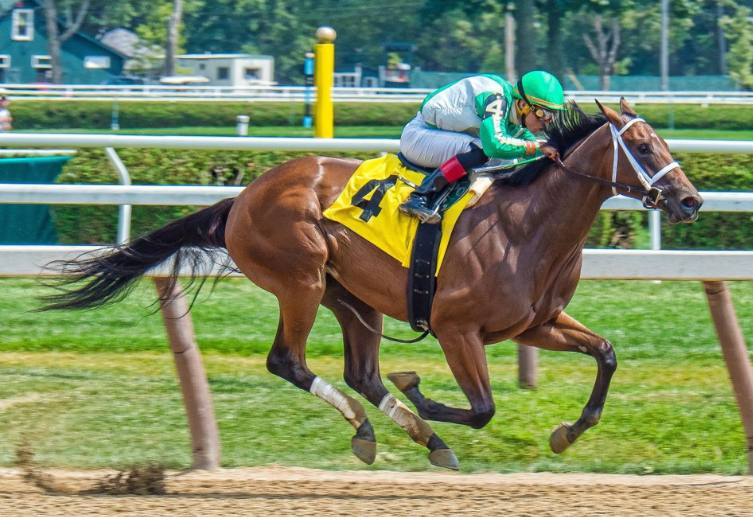
Track conditions, such as surface composition and moisture levels, affect traction and speed. Additionally, weather impacts, including temperature and humidity, can alter a horse’s stamina and recovery rate.
Understanding these variables is essential for optimizing training regimens and race strategies to enhance overall performance and achieve competitive success.
Innovative Techniques in Equine Breeding Practices
How can innovative techniques in equine breeding practices enhance the development of superior racehorses?
The application of artificial insemination allows for genetic diversity and broader access to elite stallions, while embryo transfer facilitates the rapid production of high-quality foals.
These advancements optimize breeding efficiency, enabling breeders to select optimal genetic pairings, thereby increasing the likelihood of producing exceptional racehorses tailored for performance excellence.
Conclusion
In the intricate tapestry of racehorse breeding, each strand of genetics and technique weaves together to create a masterpiece of potential. Like a sculptor chiseling away at raw marble, breeders must navigate the delicate balance of nature and nurture, sculpting champions from mere foals. The collaboration of science and strategy illuminates the path to greatness, reminding us that even in the pursuit of speed and stamina, it is the heart of the horse that ultimately races toward victory.